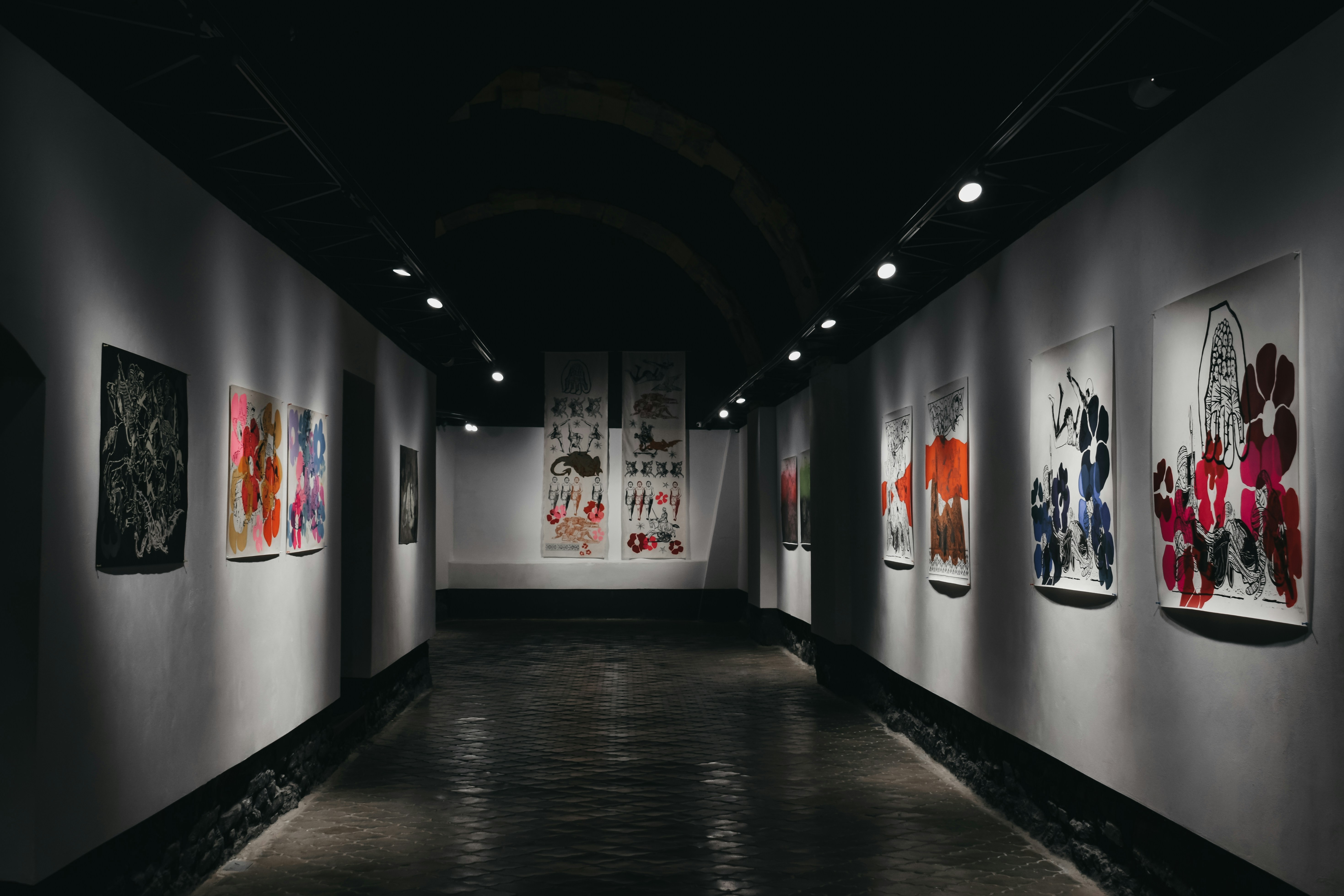
The report everyone quotes came out this spring, and the headline was the one the market wanted: global sales up 4% to roughly $59.6 billion in 2025, the first gain after two straight years of decline. If you own art, you probably read that and felt something loosen. Finally, a floor. I'd hold that feeling loosely. The market did recover last year. It just didn't recover evenly, and the part that grew is not the part most collectors actually live in.
The recovery is top-heavy, and it's built on a handful of lots
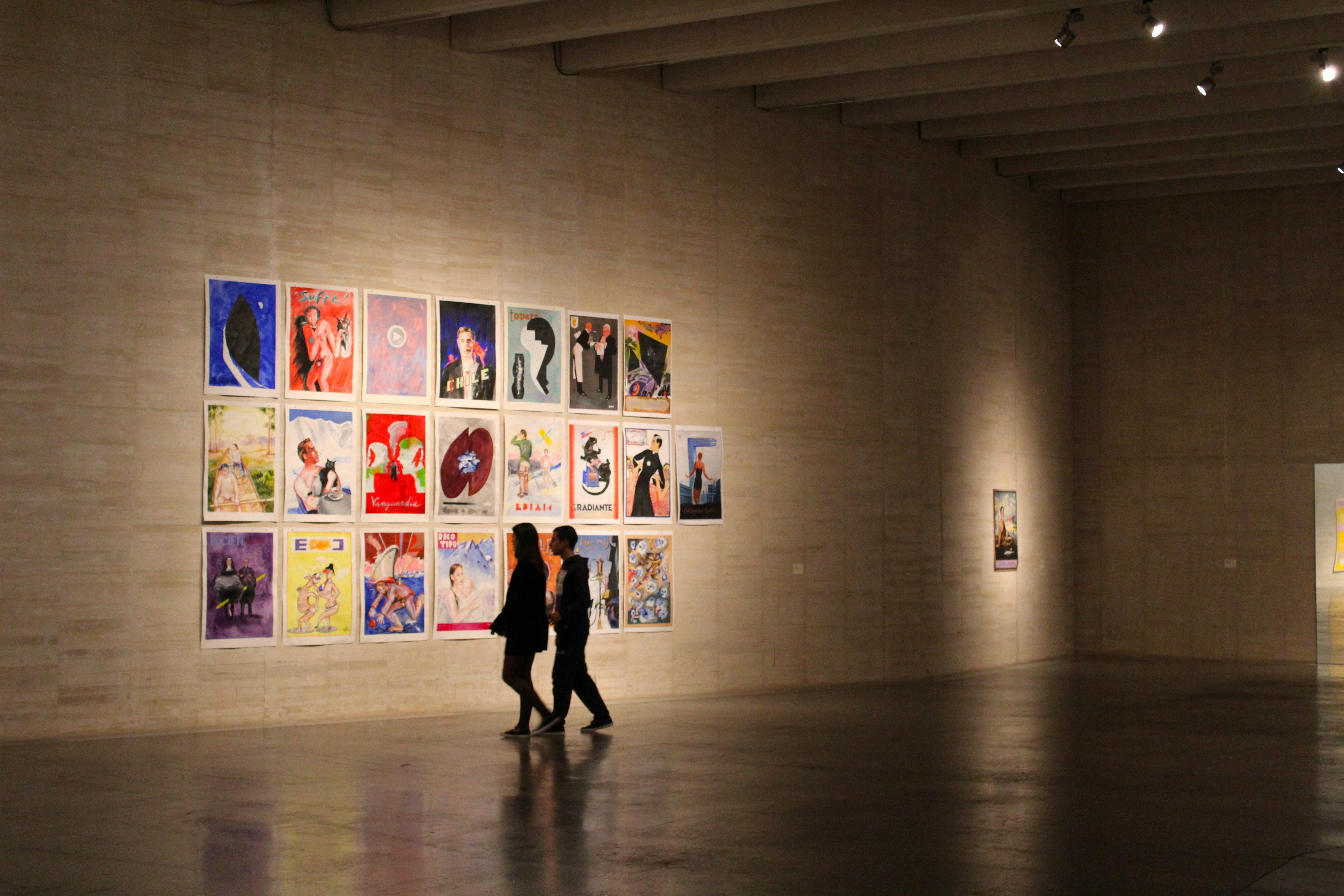
Start with where the money showed up. This past May in New York, the big three houses moved something on the order of $1.8 billion in a single week. Christie's alone cleared more than $1.1 billion across two opening nights, most of it from one consignment: the S.I. Newhouse collection at $631 million, led by a 1948 Pollock at $181.2 million. Sotheby's Modern evening sale did $303.3 million behind a Matisse. Those numbers are real, and they're wonderful for the three or four estates involved. They tell you almost nothing about the market you're buying in.
The pattern under the numbers matters more than the numbers. The houses are still leaning hard on guarantees and single-owner estate consignments to produce these totals, which means the top of the market is closer to a negotiated result than open price discovery. Public auction value rose 9% last year. Reported private-sale value at the houses actually fell about 4%. Read those two together and you get the real story: the results are being manufactured at the very top, one trophy estate at a time.
Under a million dollars, it's a completely different market
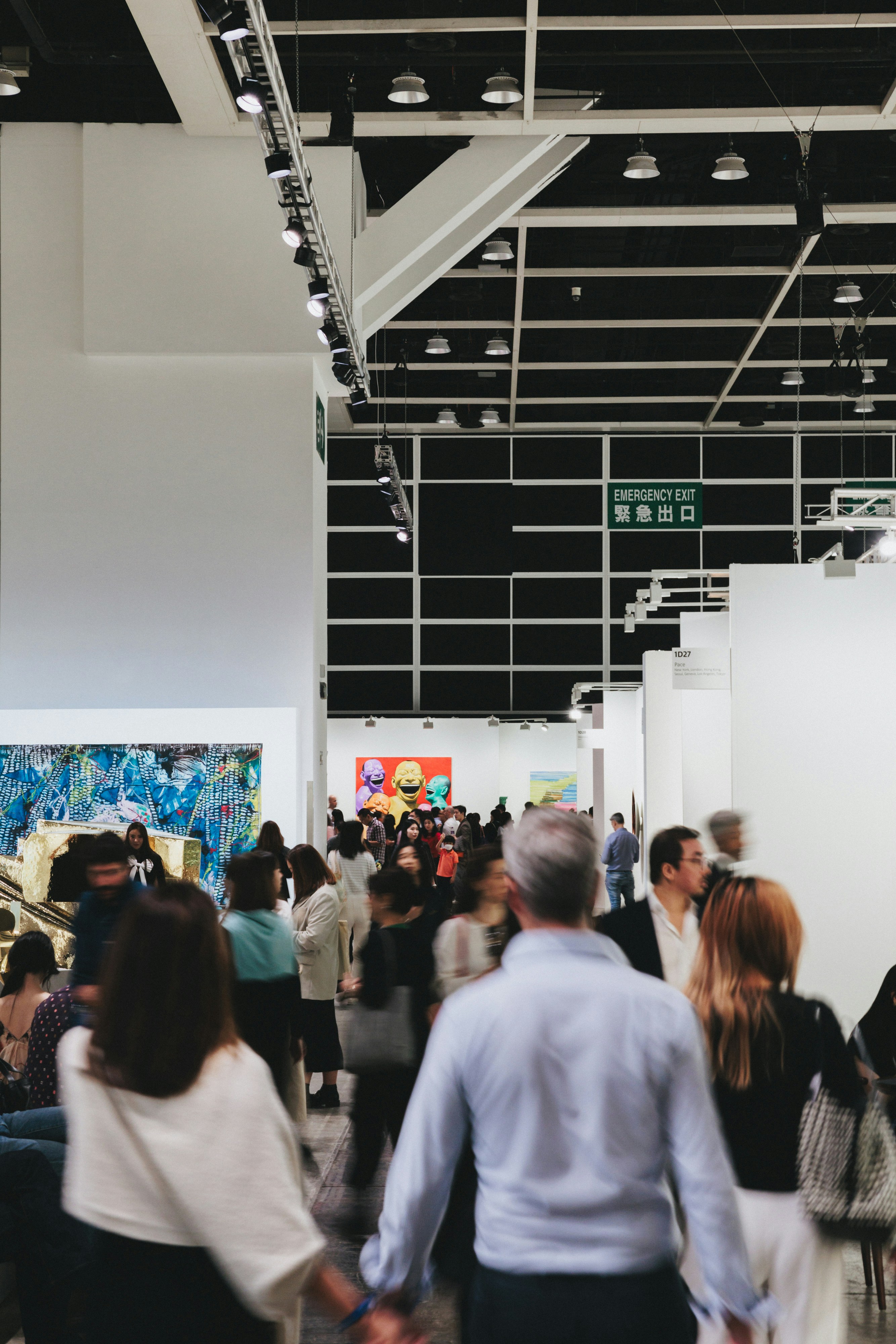
Here's the number that actually describes where collecting happens: in 2025, roughly 94% of works sold at auction went for under $1 million. That is the market. Not the Pollock. And that market is behaving very differently from the headline.
It's getting younger, and it's getting smaller, literally. Millennial and Gen Z buyers were somewhere between a quarter and a third of bidders at the major houses last year, more than double their share five years ago. They're buying at accessible price points and they're buying physically smaller work: one platform reported a 66% jump in purchases of small-scale paintings in a single year, with a large share of everything sold measuring under a couple of feet. This isn't a footnote. It's the entry lane of the entire market widening at exactly the moment the trophy lane narrows.
The squeeze is in the middle, and the speculation got its reality check

The uncomfortable part is what happened between those two layers. Ultra-contemporary speculation, the flip-a-hot-name game that ran hot in 2021 and 2022, cooled through 2024 and 2025 and hasn't come back. Young contemporary work sold below its estimates on average last year, even as it made up a large share of what was offered. Serious money moved toward artists with real gallery and museum support and away from names whose only credential was momentum.
That correction is healthy if you're building a collection to keep. It's brutal if you're a small gallery. A run of emerging-focused galleries closed over the past eighteen months, and the ones still standing are cutting how many fairs they do because the booth-and-travel math stopped working. When you hear "recalibration," this is the layer it's actually describing.
The volume is quietly moving off the podium
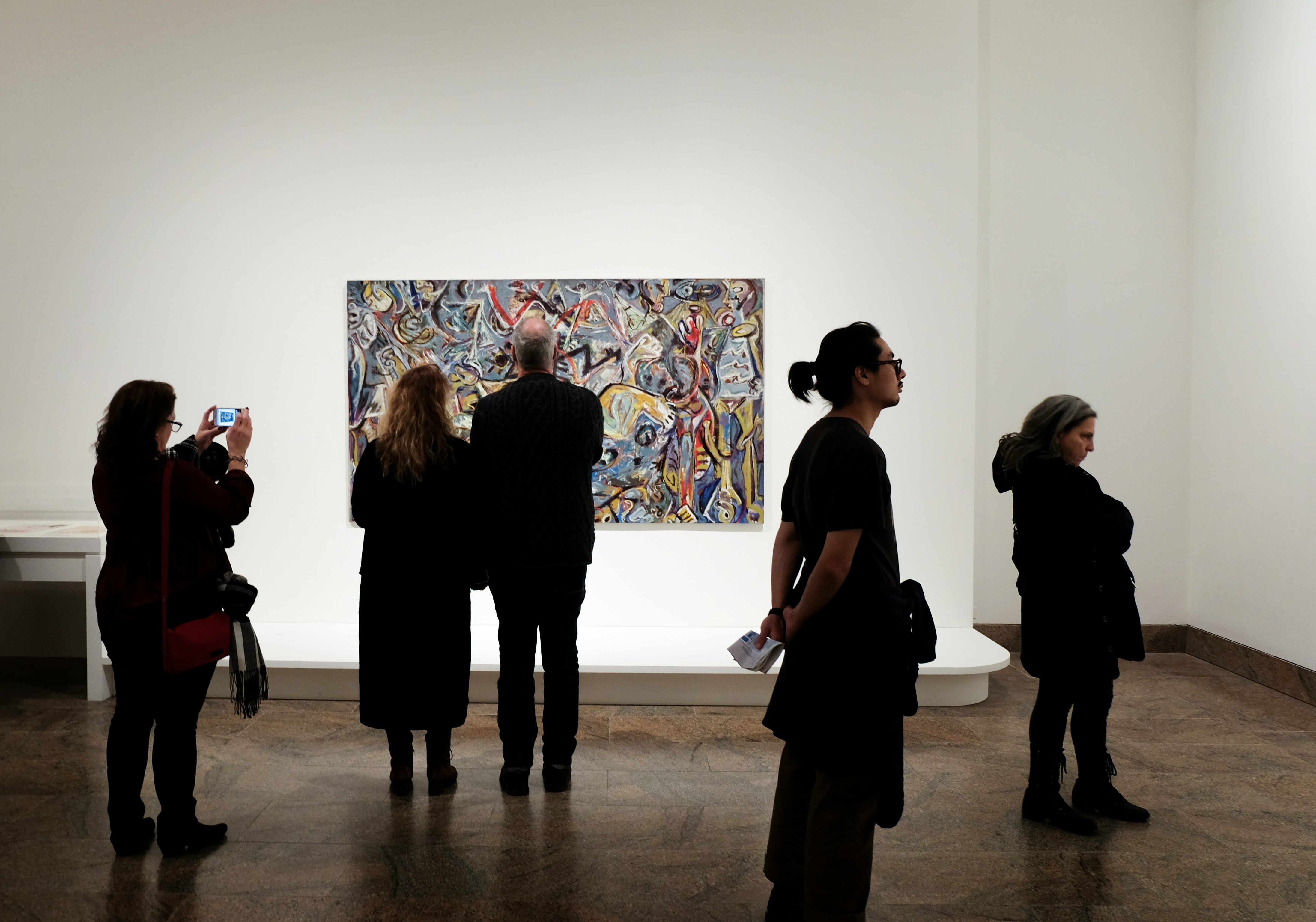
Put those pieces together and you can see where the business is going. Sellers are cautious, so they want the certainty of a guarantee or the discretion of a private deal instead of the exposure of an open evening-sale slot. Buyers are selective, so they're rewarding conviction over hype. Both of those push the same direction: away from the saleroom and onto the floor, into private treaty, single-owner consignments, and dealer-to-dealer placement. The auction results are the part you can see. They're no longer the part where most of the interesting volume moves.
What the fall actually sets up
Now the calendar. The season opens with Frieze Seoul in early September, which has quietly become an Asia-Pacific fair wearing a London name, roughly seven in ten of its galleries now from the region. The Armory Show follows in late September, deliberately no longer overlapping Seoul, leaning into emerging galleries and solo projects. Frieze London lands in October, and then the November marquee sales in New York close the year.
Expect the same shape you saw in May: a few guaranteed trophies producing the headlines, and real, negotiable activity everywhere underneath. If you're a buyer, the fall gives you supply and, in the middle market, sellers who have now watched two soft years and are done pretending. If you're a seller, the read is simpler. Trophy-grade material can still command a real fight this November. Everything else should go to the channel that fits it, and increasingly that channel is private.
THE HEADLINE IS TROPHIES. YOUR MARKET IS UNDER $1M.
94% of what sold last year lived there. That's where to calibrate.
GUARANTEES ARE DOING THE HEAVY LIFTING.
A negotiated top does not equal broad demand. Don't price your piece off someone else's estate sale.
CONVICTION IS BEATING MOMENTUM.
Gallery and museum support is holding value. Pure hype is not. Buy accordingly.
THE REAL VOLUME IS GOING PRIVATE.
Cautious sellers and selective buyers both prefer the floor to the podium. Meet the market where it's actually trading.
What this doesn't mean
It doesn't mean the market is weak. A 4% gain and a billion-dollar auction week are not weakness. It means the strength is concentrated, and you should discount headline euphoria the same way you'd discount headline panic. It doesn't mean emerging work is a bad buy. It means you buy it on the artist's support and your own eye, not on resale momentum, because that momentum is gone for now. And it doesn't mean you should wait. A recalibrating market is the one that rewards the collector who knows exactly what they want and can move without the crowd. That's the whole game right now.
"The market didn't get stronger this year. It got narrower. Knowing the difference is the entire advantage."