Andy Warhol
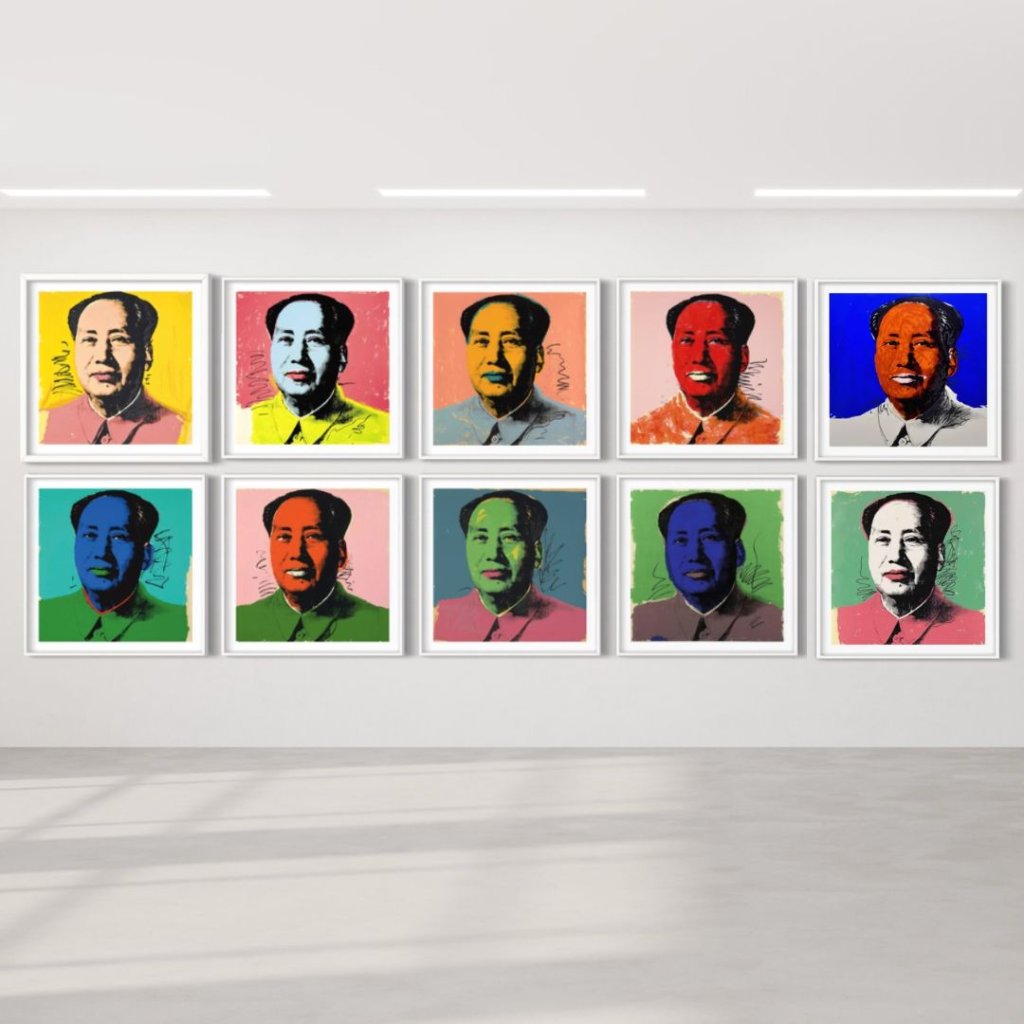
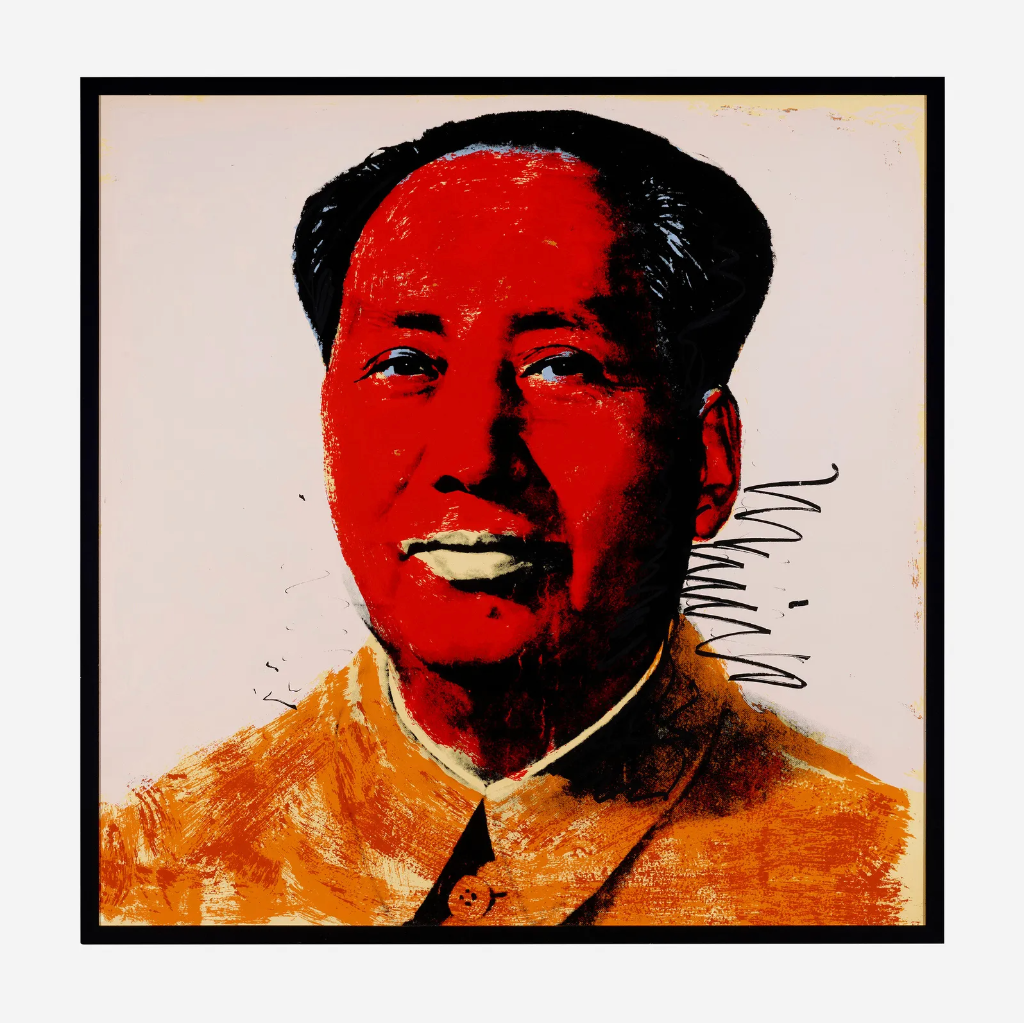
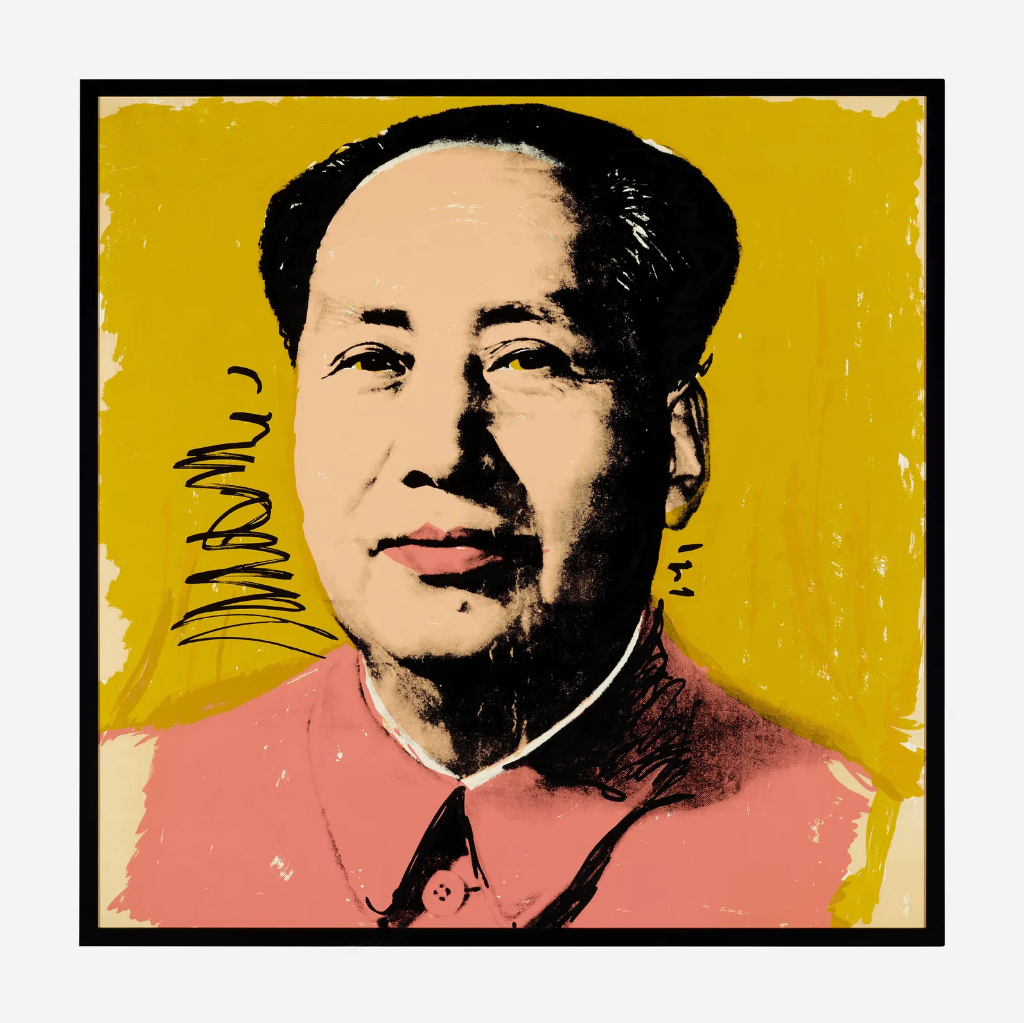
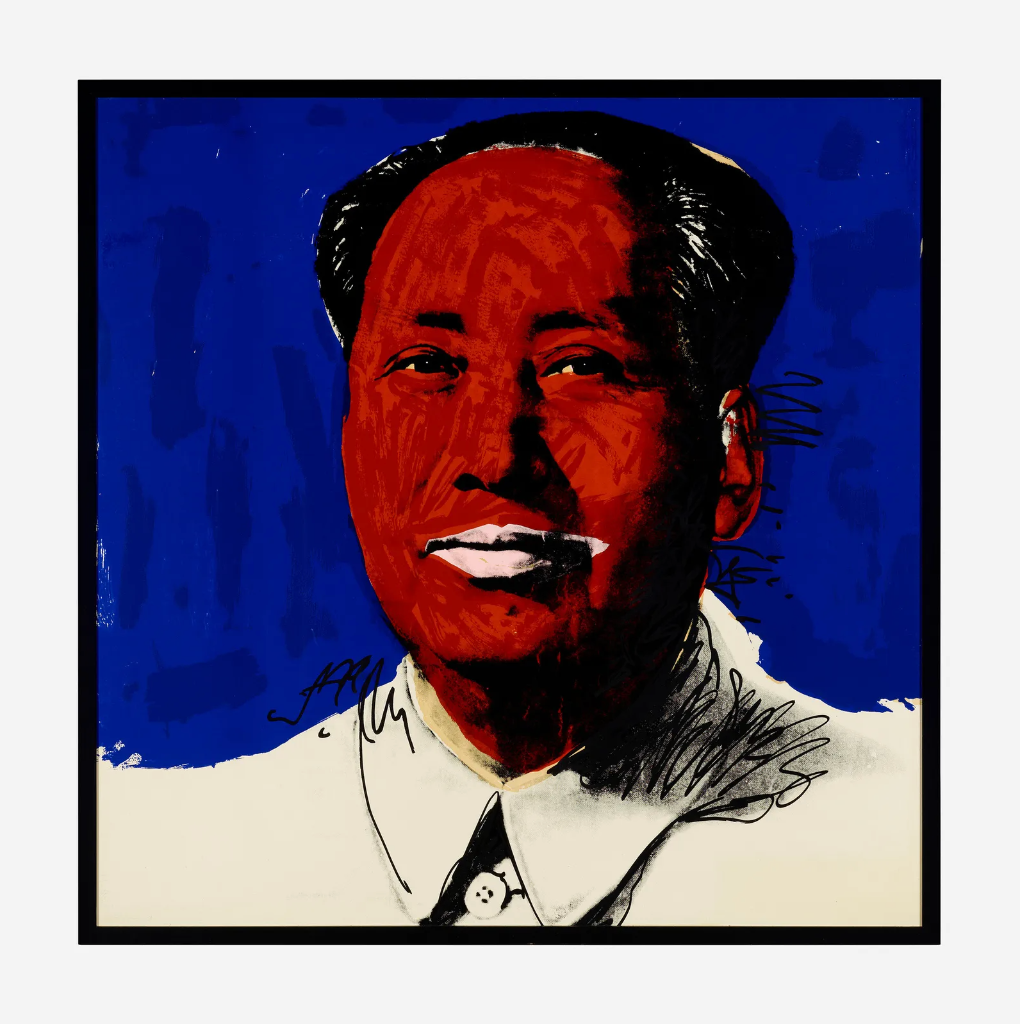
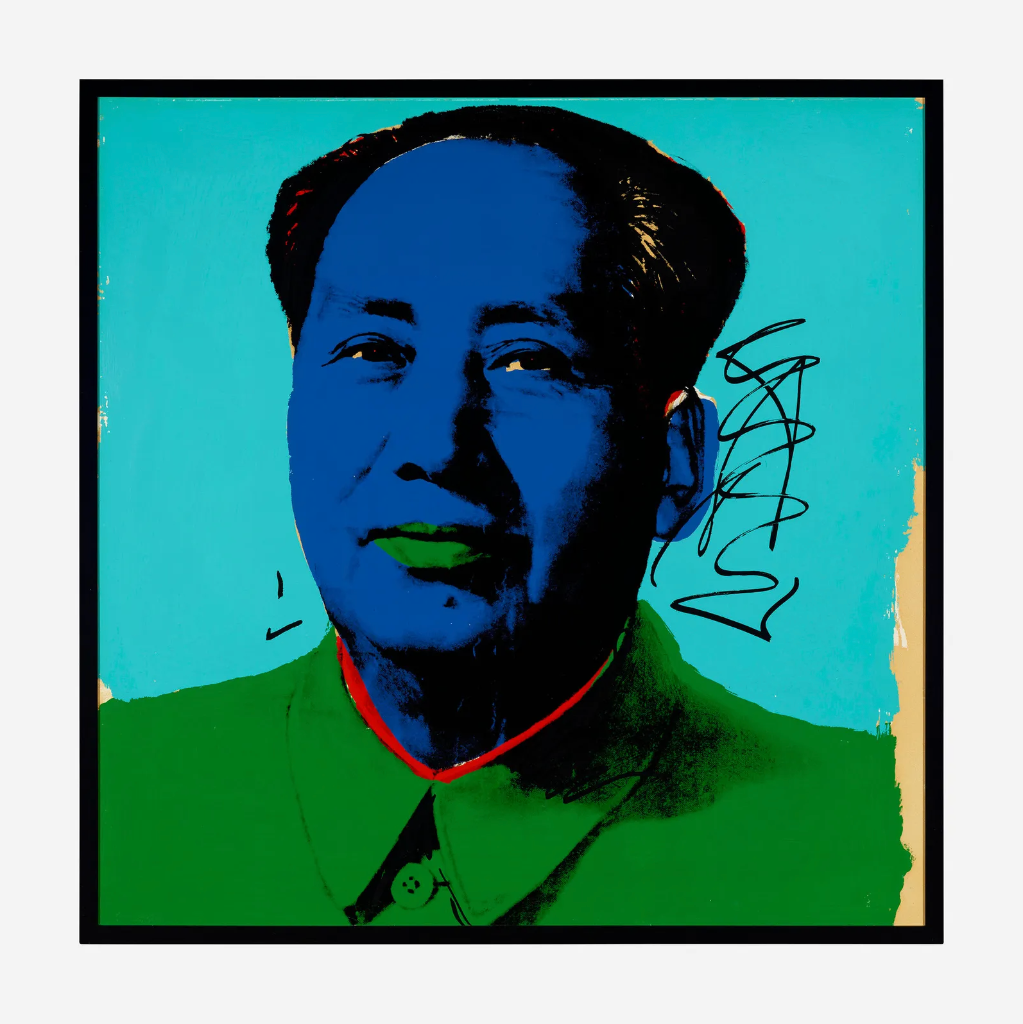
Mao F&S II 90-99 (Full Suite)
1972
Outside of the published edition of 250 works. Each with the Andy Warhol Art Authentication Board inkstamps, marked outside the edition verso, annotated in pencil with AWAAB reference numbers.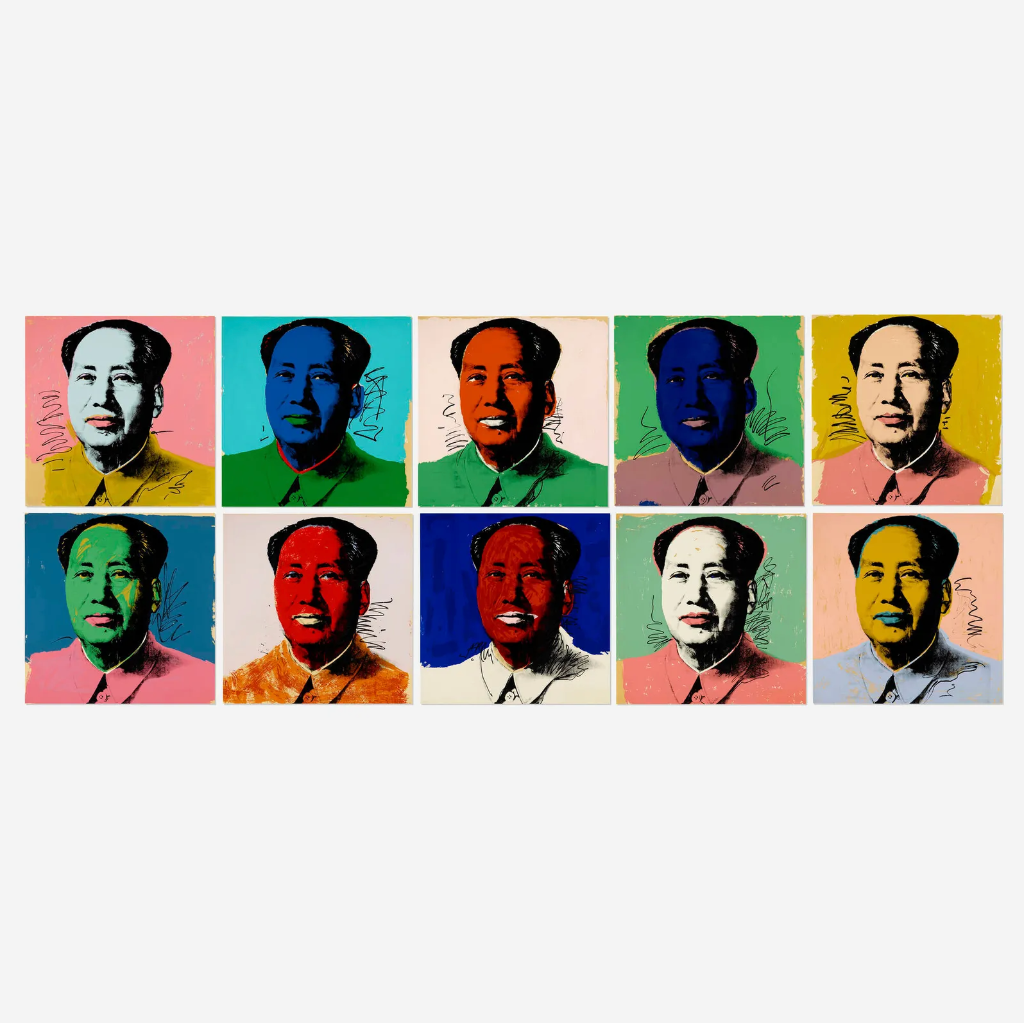
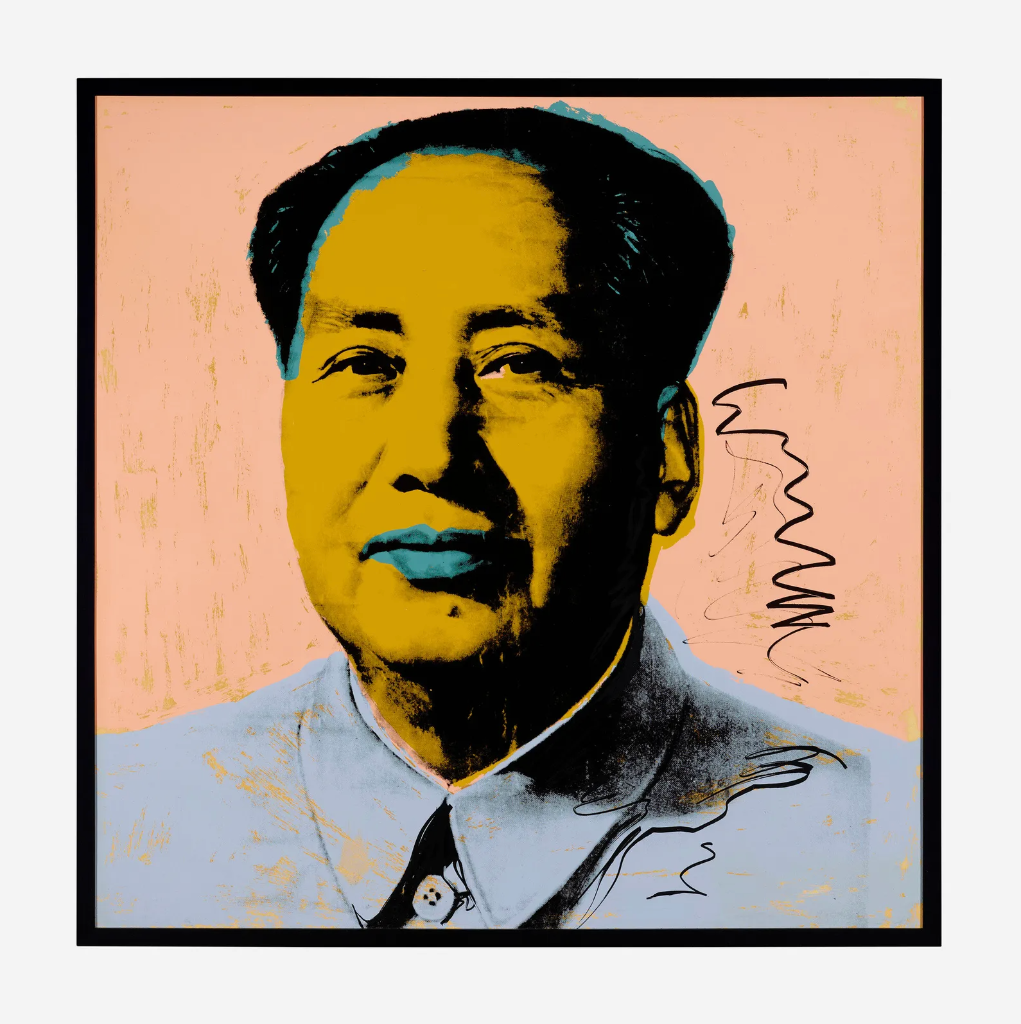
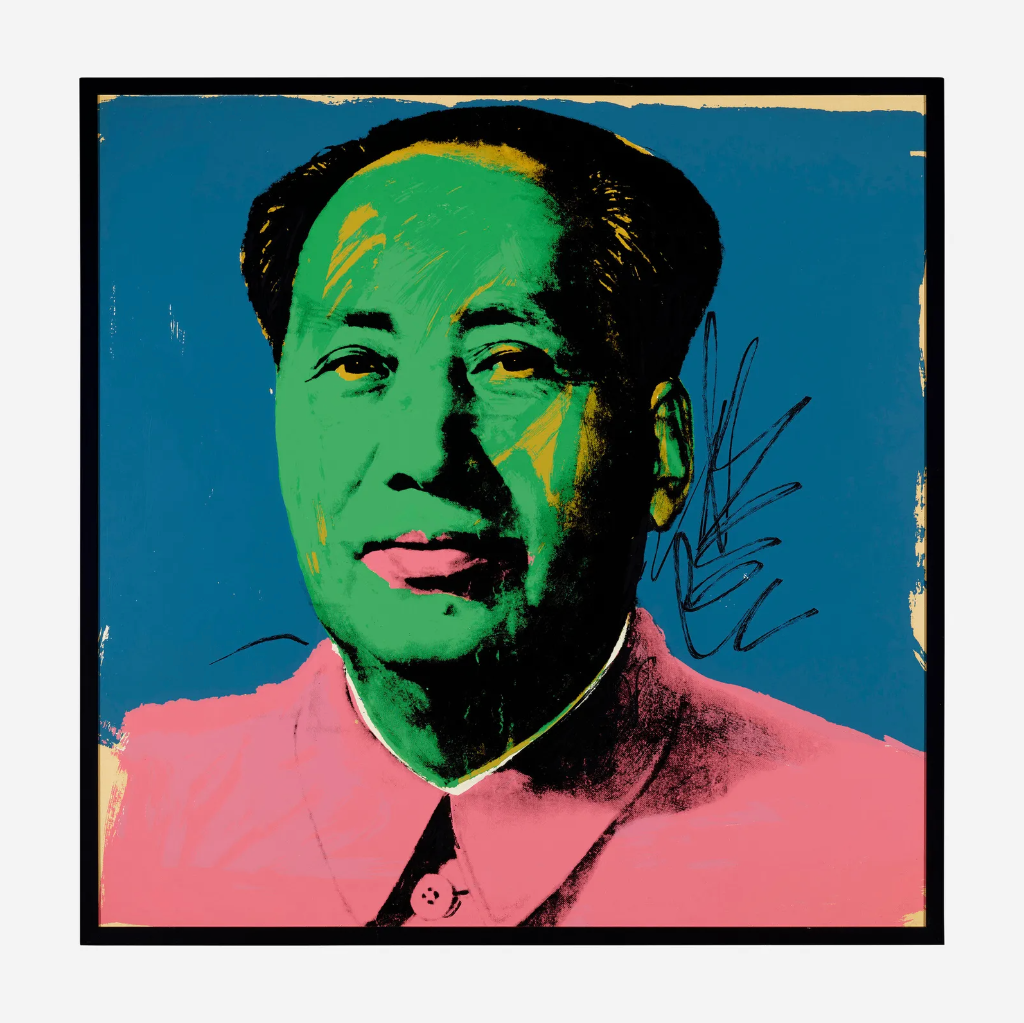
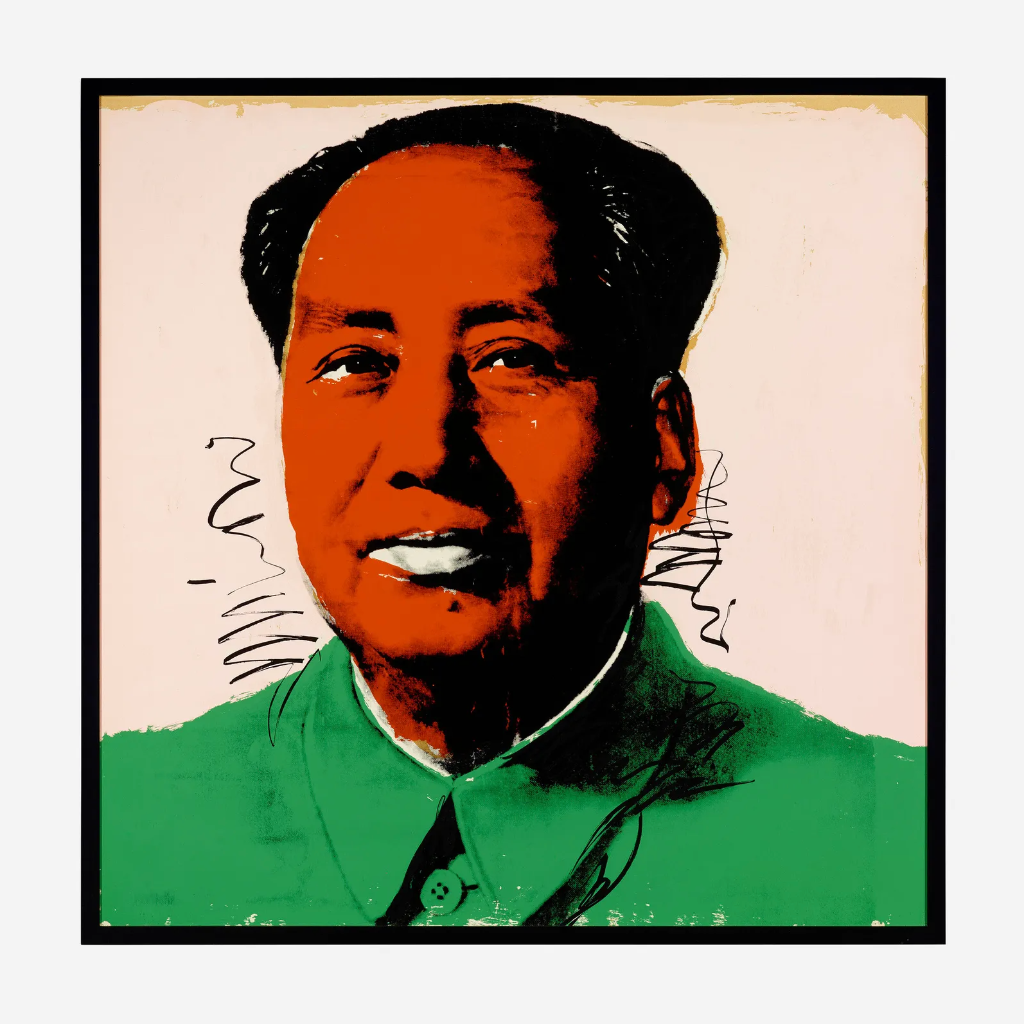
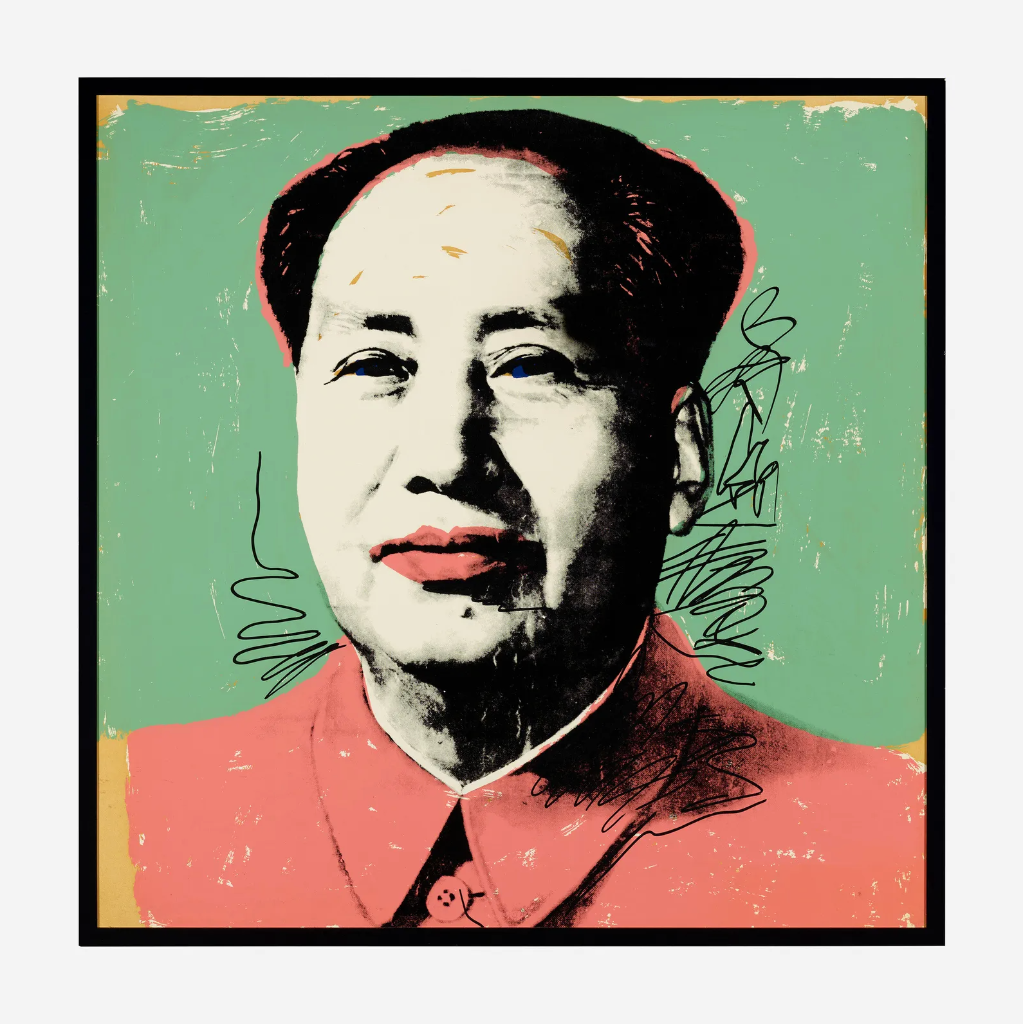
About This Piece
Medium
Screenprint w/ Acrylic Paint
Dimensions
36 × 36 in ea | 91.5 × 91.5 cm ea
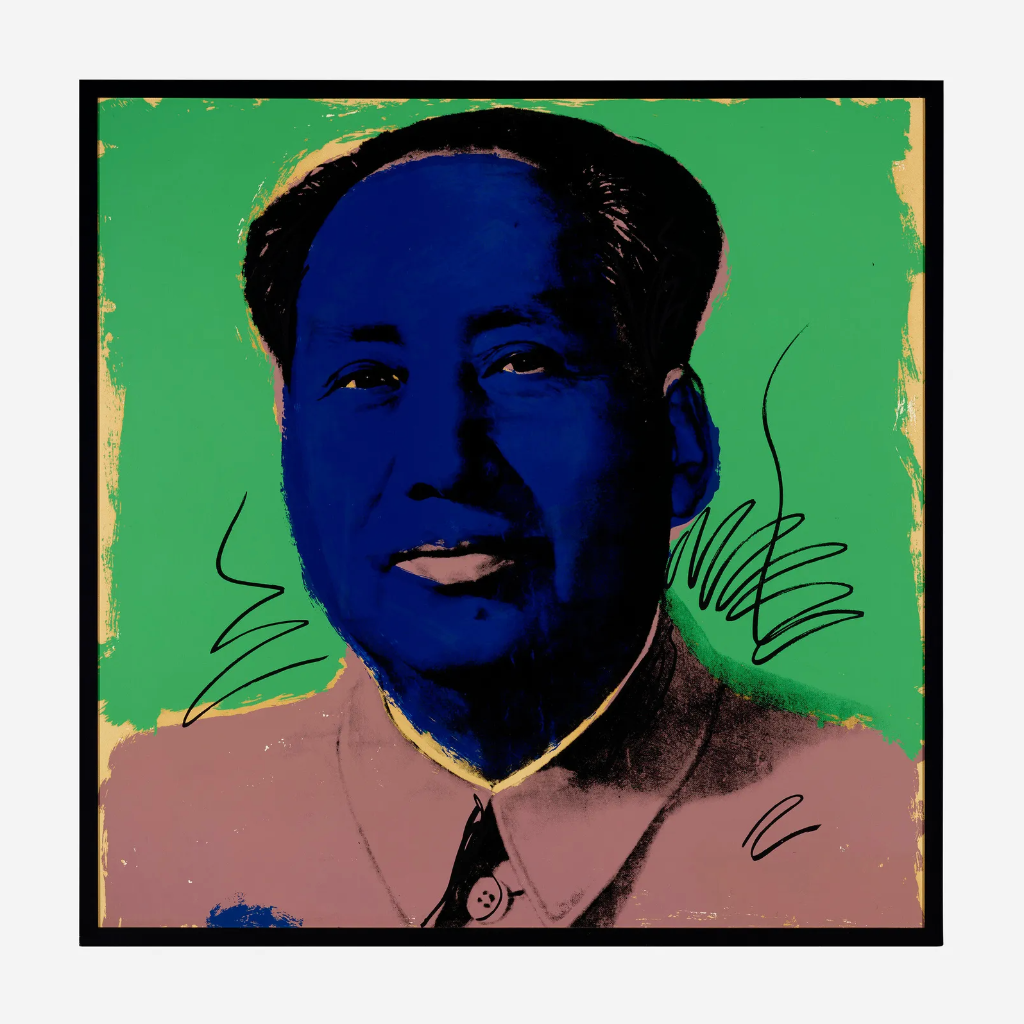
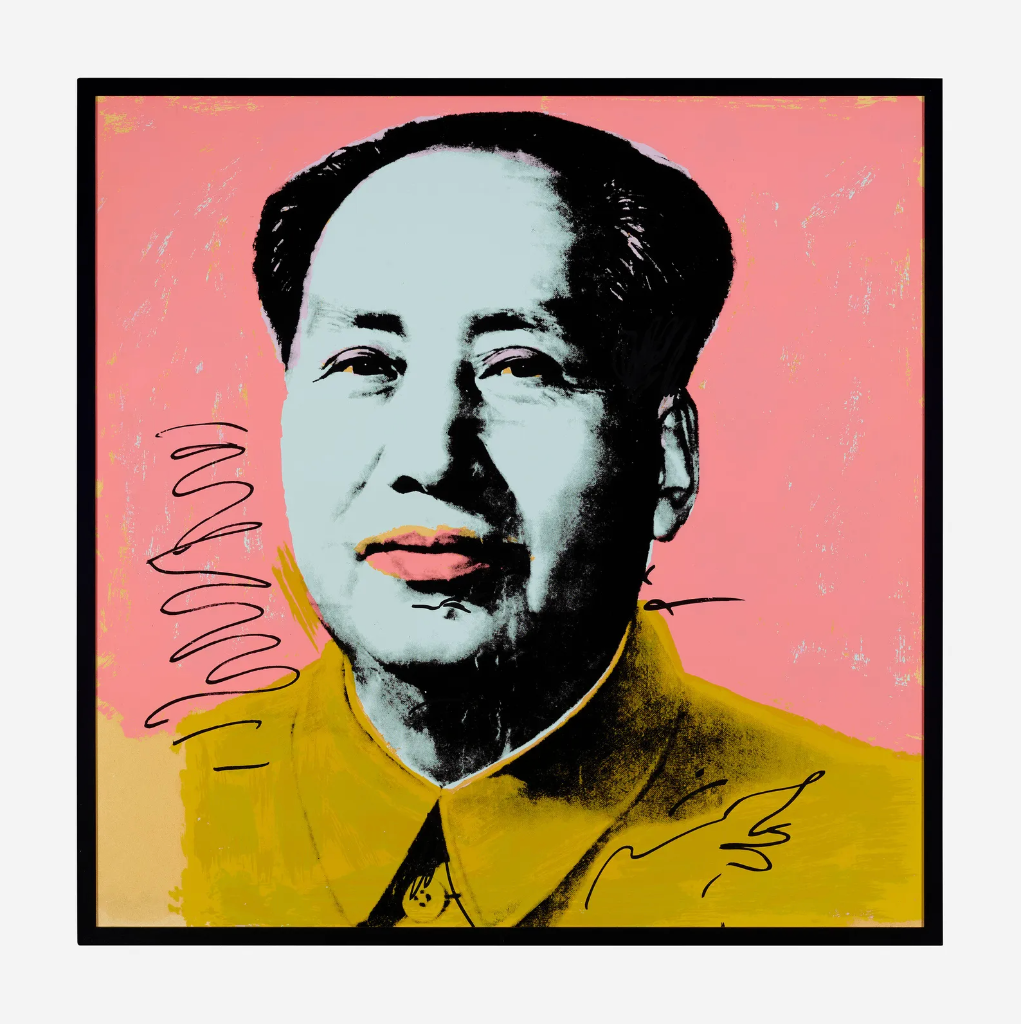
When Andy Warhol moved from the silver screen of Hollywood to the political theater of the Cold War, it wasn't just a change in subject—it was a seismic shift in art history. In 1972, following Nixon's ice-breaking trip to China, Warhol grabbed the most reproduced face on the planet: Chairman Mao Zedong. He took that stiff, official portrait from the Little Red Book and threw it into the blender of Western consumerism. The result is a series that stripped a global revolutionary of his political weight and turned him into a vibrant, high-voltage commodity of the Pop Art world.
What makes the Mao portfolio so special is that it breaks away from the flat, factory-like feel of Warhol's earlier 1960s work. You can actually see the artist's hand here. There are expressive, almost frantic scribbles and hand-drawn flourishes that hit the page, clashing against the rigid lines of the original propaganda. It's a rare moment where Warhol lets his own energy compete with the machine, using a heavy-hitting palette to turn an image of absolute power into a flamboyant icon.
These prints aren't just objects for a wall; they are historical artifacts that still feel incredibly modern. For a serious collector, a 1972 Mao is a cornerstone. It's a critique of power, a masterclass in color theory, and a blue-chip asset that has consistently held its ground in the global market. Owning one means owning a piece of the moment when Warhol proved that in the end, everything—even the most powerful man in the East—could be reimagined as Art.
Mao F&S II 90-99 (Full Suite)
Inquire about this piece →Your Cart
(0)Your cart is empty
Add an object to get started.