Most of what gets written about the art market is aimed at buyers. Almost nothing is written for the person on the other side of the table — the collector, heir, or estate holding a piece they're ready to part with. That's a gap I want to close, because selling well is harder than buying well, and the mistakes are more expensive.
Selling Outright vs. Consigning With Me
There are two ways to move a piece: sell it outright to me, or consign it for me to place with a buyer on your behalf.
Selling outright means I buy the work directly, at an agreed price, and you're done. You get paid immediately and take on no further risk, but the price reflects my own resale risk and holding cost, so it's typically lower than what the piece might eventually fetch on the open market.
Consignment means I represent the work and find a buyer, and you're paid once it sells, minus a commission. This usually nets you a higher final price, but it takes longer and the outcome isn't guaranteed on a fixed timeline.
Neither is universally better. It depends on how quickly you need liquidity and how confident you are in the piece's demand.
What I Actually Look For
Before any number gets discussed, I'm evaluating:
- Authenticity and documentation. Certificates of authenticity, prior sale records, gallery invoices, and any correspondence with the artist or estate. Missing paperwork doesn't necessarily kill a deal, but it changes the price and the buyer pool.
- Condition. Full condition, not "good for its age." Foxing, craquelure, prior restoration, and frame damage all get priced in.
- Market demand right now. An artist's market can move meaningfully in either direction over a few years. What a piece would have sold for in 2019 is not what it sells for today.
- Comparable sales. Recent auction results and private sale comparables for the same artist, medium, size, and period set the realistic range, not the highest number that's ever been paid for that artist.
The Process, Start to Finish
A straightforward consignment or sale with me typically moves through the same stages:
- Initial evaluation. Photos, provenance documents, and basic condition details, reviewed before I price anything.
- In-person or high-resolution review. For anything of real value, I verify condition directly, not from a phone photo.
- Pricing discussion. A transparent walkthrough of comparable sales and where the piece realistically sits.
- Agreement. Outright sale or consignment terms, spelled out in writing, including commission structure if consigned.
- Placement. For consigned work, I actively reach out to the collectors and dealers most likely to want that specific piece, rather than passively listing it.
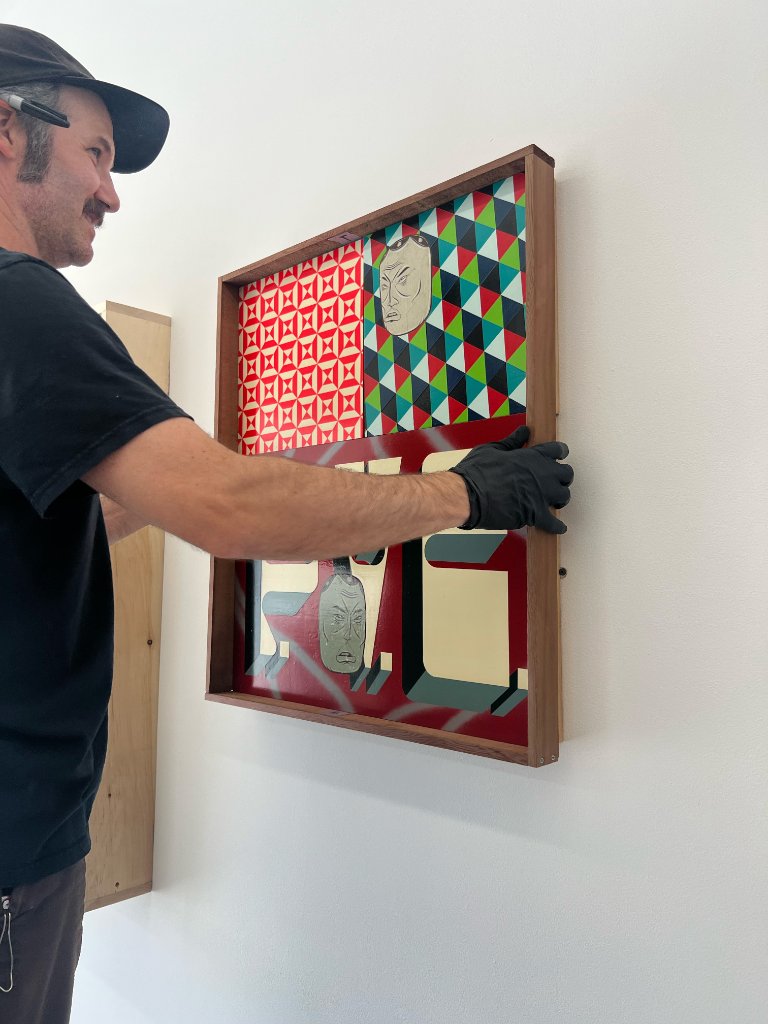
The same care applies whether a piece is arriving for consignment or leaving for delivery.
Timelines vary. An outright sale can close in days. A consignment placement for a less liquid artist can take months, and I discuss that upfront, not halfway through.
Questions to Ask Before You Commit
- Is this an outright purchase or a consignment, and is that in writing?
- What's the commission structure, and is it a flat rate or sliding scale?
- Who holds insurance and custody of the piece while it's being placed?
- What happens if the piece doesn't sell within an agreed window?
- Can you show past placements for comparable work?
That last question matters more than it sounds. See recent placements → is a reasonable thing to ask me for, and a reasonable thing to check before you sign anything with anyone.
Working With Me
I buy and consign blue-chip and contemporary work directly with collectors, estates, and advisors, without routing everything through a gallery or auction house first. If you're holding a piece and aren't sure whether to sell outright or consign, that's a conversation worth having before you price anything.
Browse the artists and periods I actively place work in on the Artists page, or if you have questions about the process, check the FAQ first.